


Newsroom
Traderbag debunks some myths about plastic shopping bags

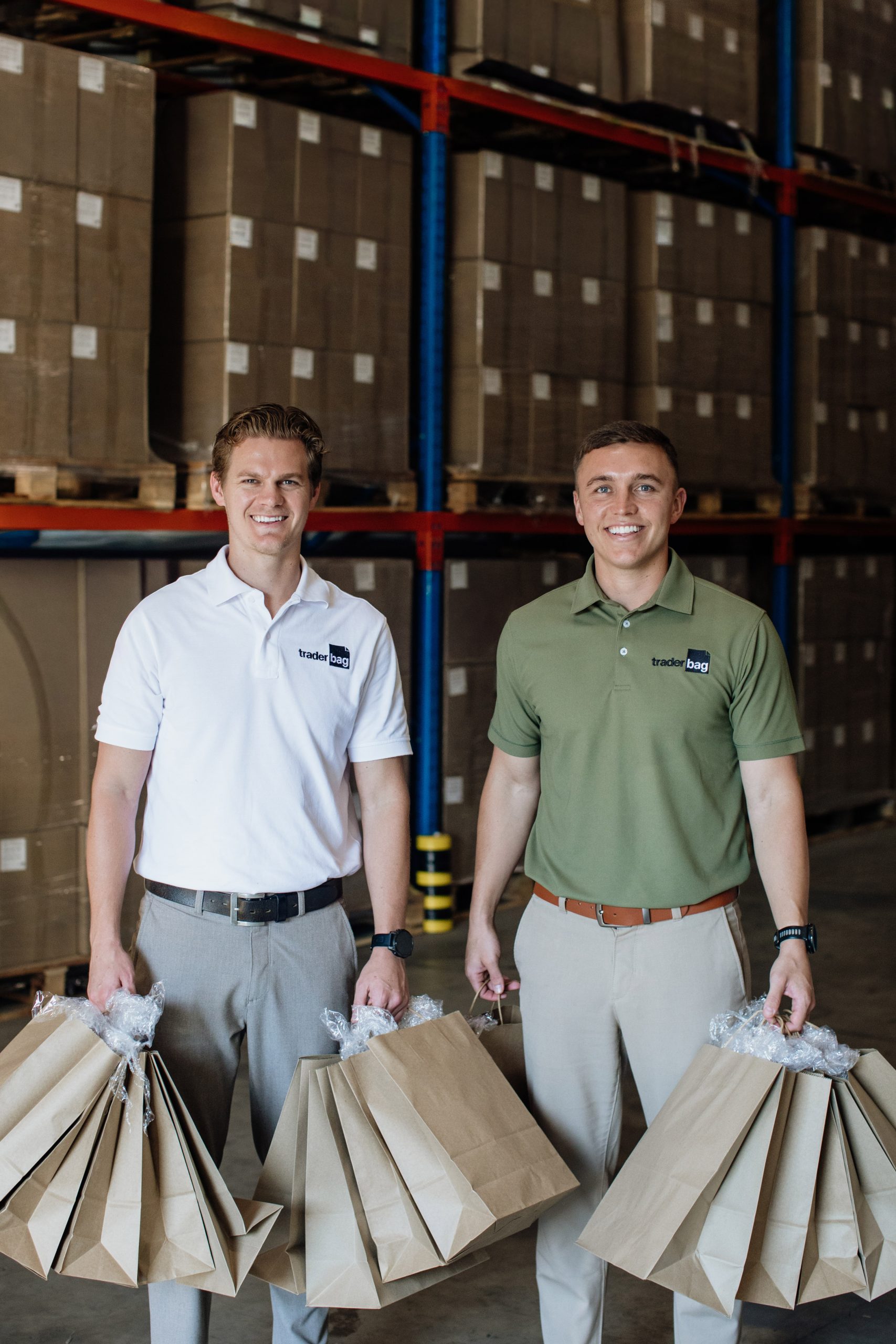
Every day, up to 80% of consumers forget to reuse plastic shopping bags. They are content that they are still doing their bit for the environment because of the many half truths circulated about plastic recycling. At the end of the day, whether a bag is made from a discarded PET cooldrink bottle or fabric woven from plastic polymers, the result is the same. Consumers are left to pick up the tab whilst the environment ultimately pays the price.
Daniel and Declan Cherry, directors of Traderbag which supplies customized sustainable paper shopping bags, note that almost all single use plastic bags are labelled as both recycled and recyclable. “Then, in small writing, it says the conditions have to be right. No one really knows what those conditions are. We are printing our excuses on to our packets and stretching the truth.”
They believe that recycling simply delays rather than halts the damage. It is what is done with plastic carrier bags after they leave the till point that makes the difference.
Although South African legislation remains in limbo and most hurried shoppers continue to fork out for so-called recycled plastic, more than 100 countries – including 34 African countries – have completely banned the use of single use shopping bags.
The Cherrys note that, while the South African government makes up its mind, retailers can make a difference by giving their customers choices. The price difference between plastic and paper is small and closing. Simply removing all plastic from stores and forcing forgetful shoppers to pay a premium for plastic based fabric bags is not a solution.
A trial conducted by Traderbag together with a discount fashion retailer showed that even lower LSM shoppers would pay a little extra for a paper alternative. The experimental bags sold out in a few days and this chain is now supplying them.
An entrepreneurial opportunity
As Generation Z entrepreneurs, Daniel and Declan Cherry do business differently. Researchers tell us that this generation is the most environmentally conscious in terms of values, advocacy, and integration of sustainability into consumer habits.
Not only does Traderbag make it viable for both retailers and consumers to switch out plastic for paper but offer solutions that synchronise perfectly with business processes and enhance brand messaging.
Daniel Cherry founded Traderbag about two years ago. He worked for his father’s business which supplies paper-based swing tags for garments to more than 85% of South Africa’s fashion retailers.
“You could see the shift slowly emerging. A few retailers started asking about paper bags. As more started asking, I realised that this was a massive opportunity and a good time to get into the market. Then I started doing research on the side effects of plastic!”
Declan Cherry returned home from Europe to help grow the company.
Because the use of plastic bags is so pervasive in South Africa, capacity to provide the volumes needed for large chains to immediately switch did not exist when Traderbag started out. Some chains can use up to 50 million shopping bags per month with South Africa’s largest supermarket chain having sold at least 645 million recyclable plastic bags in 2019 alone.¹ These figures will have increased substantially.
Traderbag worked closely with two Johannesburg suppliers and one Durban supplier to bring in machinery to make customized paper bags for its clients.
As Daniel Cherry explains, the entire supply chain is South African. The bags are all sustainably sourced and made locally. Paper is FSC approved² and the ink is water based so all products are fully recyclable.
A successful paper trail
The Traderbag trailblazers have already signed up the country’s largest apparel retailer which has now completely replaced plastic with paper in its stores. They are adding more fashion retailers to their client list and firmly believe that the apparel sector will lead the changeover.
They are also investigating replacing plastic wrappings that protect garments en route to stores with paper-based alternatives.
According to Plastics SA, the umbrella body representing the plastics industry, South Africa is the largest plastics producer in Sub-Saharan Africa. The packaging sector is responsible for 49.4% of all plastic consumption.³
However, just 14% of single-use shopping bags are recycled as the process is both difficult and costly. Thin plastic bags require specialized facilities. They often become entangled in sorting equipment or cannot be used when contaminated by food and liquid residues.
“Paper is the most recycled material in the world. Paper bags can be recycled up to nine times, while plastic can only be recycled three to four times. With paper, the fibres eventually get shorter and don’t combine. But that is biodegradable and can be composted, benefitting the environment. Plastic bags degenerate into micro plastics that continue to exist for hundreds of years. They are consumed by marine animals and continue to contaminate land and water,” says Declan Cherry.
Caption: Pictured left is Declan Cherry and right Daniel Cherry of Traderbag, the Durban company that has launched sustainable paper carrier bags to the retail market.
Editors’ notes:
2. The Forest Stewardship Council (FSC) certifies paper sourced from responsibly managed forests that provide environmental, social, and economic benefits.
3. www.plasticsinfo.co.za