


Newsroom
AI Can Write. It cannot lead.

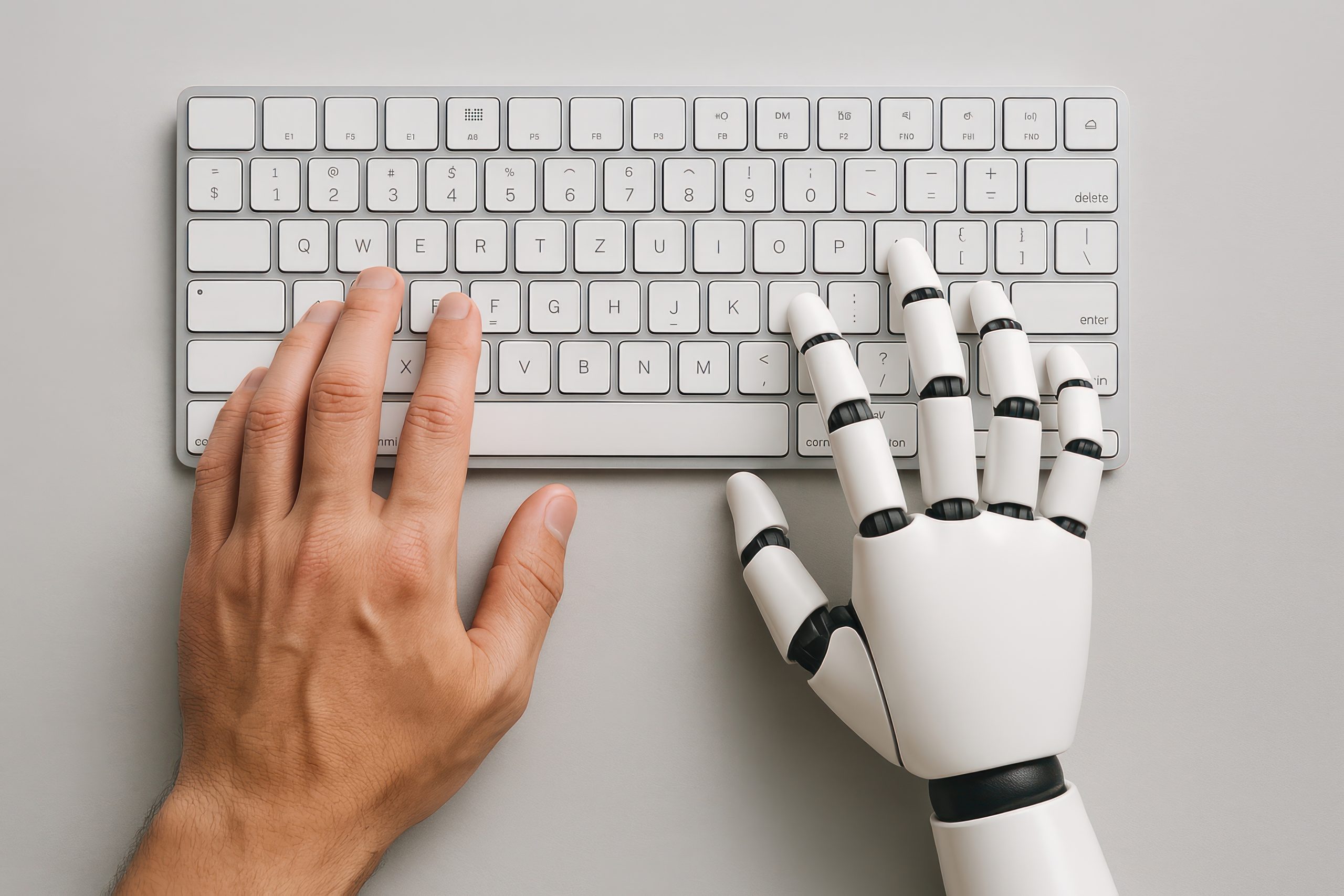
Artificial intelligence has rapidly become part of everyday business conversation, and public relations has not been excluded from the debate. I am often asked whether AI will replace PR practitioners, particularly now that it can draft press releases, generate social media posts and produce content within seconds.
It is a reasonable question. AI is fast, efficient and remarkably capable. I use it myself in certain contexts. However, after more than four decades in public relations, I am confident that while artificial intelligence will change our industry, it will not replace it.
The reason is simple. Writing words is not the same as managing reputation.
Public relations has always evolved alongside technology. I began my career in an era of fax machines and printed press kits. Email transformed communication. The 24 hour news cycle accelerated response times. Social media fundamentally altered how brands engage with their audiences. Each shift prompted predictions that traditional PR would become obsolete. Instead, the profession adapted and became more sophisticated.
AI represents the next stage of that evolution.
It is an exceptional tool for structuring ideas, accelerating research and refining drafts. It can remove inefficiencies and support productivity. Used responsibly, it enhances the workflow of modern communications teams.
What it cannot do, however, is exercise judgment.
Artificial intelligence cannot read a boardroom dynamic or anticipate how a journalist may interpret a carefully phrased statement. It cannot advise a CEO when restraint is wiser than reaction, nor can it weigh legal, reputational and political sensitivities within the South African landscape. It does not carry institutional memory or draw on decades of relationship-building and lived experience.
Public relations is not simply about producing content. It is about counsel, timing, alignment and responsibility. Every public statement sits within a broader ecosystem that includes leadership behaviour, company culture and public perception. Ensuring that these elements align requires discernment and strategic thinking.
Reputation is built gradually and can be damaged quickly. Protecting it demands more than speed. It requires context, experience and a deep understanding of human behaviour.
The future of public relations will undoubtedly include artificial intelligence. Professionals who ignore it will limit their effectiveness. At the same time, organisations that rely on it exclusively risk reducing communication to a mechanical exercise.
AI can support the craft of communication. It cannot replace the leadership behind it.
Ultimately, the question is not whether AI can generate words. It clearly can. The real question is whether businesses still value trust, credibility and informed counsel. Those qualities remain distinctly human, and they remain at the heart of effective public relations.